Cessna Nose Gear Strut Assembly: Aircraft Landing Gear Support and Shock Absorption
Cessna Nose Gear Strut Assembly: Aircraft Landing Gear Support and Shock Absorption
Blog Article
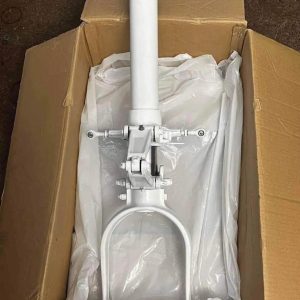
The Cessna Nose Gear Strut Assembly combines load support, controlled compression, wheel positioning, and steering-related functions within the aircraft’s complete landing-gear system.
The Cessna Nose Landing Gear Strut, Cessna Nose Gear Assembly, Cessna Landing Gear Strut, and Cessna Nose Strut descriptions identify closely related searches for the aircraft’s forward landing-gear structure.
Whether described as an Aircraft Nose Landing Gear Assembly or Cessna Shock Strut Assembly, the unit should be evaluated as part of the complete airframe and landing-gear system.
The Cessna Nose Gear Shock Absorber, Cessna Landing Gear Assembly, Aircraft Landing Gear Strut, and Cessna Nose Wheel Strut phrases highlight the component’s role in supporting loads and controlling ground impacts.
General Aviation Landing Gear Parts listings should provide exact identification, condition, measurements, records, and included components for professional evaluation.
Reviewing the Cessna Front Gear Configuration
Complete identification gives technicians the information needed to evaluate suitability.
The buyer should determine whether the listing includes a complete Cessna Nose Gear Assembly or only selected parts of the system.
Understanding Ground Loads on the Front Gear
The strut must manage those loads without excessive looseness, binding, deformation, leakage, or structural distress.
Repeated hard landings, runway excursions, towing incidents, shimmy, improper servicing, corrosion, and maintenance errors can affect both the strut and nearby structure.
Evaluating Strut Extension and Movement
Proper operation depends on correct servicing, internal condition, seal integrity, surface finish, alignment, and absence of contamination.
The aircraft’s actual loaded condition affects visible strut extension and should be considered during evaluation.
Evaluating Ground Steering Geometry
Each component should move smoothly and remain free from excessive play, binding, distortion, corrosion, and unsuitable modification.
Professional adjustment protects the Cessna Steering Strut Assembly and connected components.
Selecting the Correct Replacement Nose Gear
Compatibility depends on the exact Cessna model, aircraft serial-number range, landing-gear configuration, part number, modification status, wheel arrangement, steering system, and surrounding structure.
Supplemental modifications, replacement forks, wheel conversions, tire changes, steering alterations, and airframe repairs can affect compatibility.
Protecting Smooth Strut Operation
Paint, grease, or contamination should not conceal suspected defects.
The cylinder bore, piston diameter, and relevant clearances may require professional measurement.
Preventing Contamination and Seal Damage
Fluid leakage around the piston, seals, fittings, plugs, or servicing points can indicate deteriorated seals, damaged surfaces, loose components, contamination, or incorrect assembly.
Incorrect seal material, damaged installation tools, contaminated fluid, or improper assembly can lead to early failure.
Maintaining Protective Finishes
Pitting depth, location, and remaining material can influence repairability or replacement decisions.
Responsible preservation helps maintain the Cessna Nose Gear Assembly.
Crack, Bend, and Impact-Damage Inspection
The absence of obvious damage in photographs does not establish structural integrity.
Transparent impact history supports informed Cessna Front Landing Gear Assembly purchasing.
Wheel Fork, Axle, and Nose Wheel Components
The axle should remain dimensionally suitable, smooth, correctly secured, and free from severe wear or thread damage.
Tire condition can influence shimmy, ground handling, and visible strut behavior.
Maintaining Strut Alignment
Dimensional inspection supports a durable repair.
Pivot points should move freely without binding while remaining within acceptable play limits.
Understanding Ground Vibration Causes
Replacing the strut assembly alone may not correct the concern if other components remain defective.
A new tire can mask but more info not correct underlying geometry problems.
Avoiding Incorrect Landing Gear Servicing
Qualified maintenance supports predictable Cessna Shock Strut Assembly operation.
Repeated pressure loss should prompt leak investigation rather than continual inflation.
Documenting Landing Gear Repair Work
A seal replacement or exterior repaint does not necessarily constitute a complete overhaul.
A professionally overhauled unit should remain connected with the correct part and serial information.
Aircraft Nose Gear Buying Guide
The seller should provide photographs of every side, including the cylinder, piston, fork, axle, torque links, steering features, mounts, hardware, identification markings, and damaged areas.
- Resolve identity, applicability, condition, and package-completeness questions before payment.
- Review the history for hard landings, runway excursions, towing incidents, shimmy, tire failure, overload, storage exposure, freight damage, and structural repair.
- Confirm the sales invoice, payment protection, packaging method, freight insurance, inspection period, return terms, and stated assembly condition.
Protecting the Landing Gear Strut in Transit
The assembly should be secured in a rigid crate or suitable container that supports its weight without loading the piston, fork, fittings, steering components, or delicate surfaces.
Careful freight preparation reduces damage to the Cessna Landing Gear Assembly.
Storage and Preservation Before Installation
Openings should remain protected from contamination.
Extended storage may require renewed inspection, seal evaluation, cleaning, servicing, and corrosion review before installation.
Professional Installation of the Nose Gear Strut
Professional installation protects the aircraft and Cessna Nose Gear Strut Assembly.
Fasteners should be installed, tightened, secured, and documented according to applicable procedures.
A ground check should not replace required maintenance inspection or technical documentation.
Maintaining the Cessna Nose Landing Gear
Routine maintenance should include inspection of the piston, cylinder, seals, fluid leakage, extension, fork, axle, wheel, tire, bearings, torque links, steering parts, fasteners, and mounting structure.
Maintenance records should identify findings, measurements, servicing, parts replaced, repairs, dates, and personnel involved.
Buying a Replacement Landing Gear Strut
Assemblies with clear photographs, complete records, transparent removal history, and identified components are easier for professional buyers to assess.
Commercial evaluation should focus on verified suitability rather than promotional claims.
Cessna Nose Gear Assembly Conclusion
The Cessna Nose Gear Strut Assembly may suit private aircraft owners, flight schools, maintenance organizations, restorers, aviation dealers, and general aviation operators seeking an identifiable landing-gear component.
The assembly should be evaluated with the receiving aircraft’s structure, steering, wheel, tire, alignment, servicing, and installation requirements in mind.
Whether buyers need a Cessna Front Landing Gear Assembly, Aircraft Nose Gear Strut, Aircraft Nose Landing Gear Assembly, or Cessna Shock Strut Assembly, current physical condition should be verified.
With complete evaluation and continued care, the Cessna Nose Gear Strut Assembly can deliver a professional combination of structural support, shock absorption, steering stability, replacement value, and general aviation application potential.
Report this page